Q&A with Kimberly Vidmar, MD, assistant professor, Division of Endocrinology and Diabetes
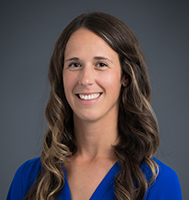 Hometown: Muskego, Wisconsin
Educational/professional background: I completed my undergraduate degree at the University of Wisconsin–Madison and my medical degree at the University of Wisconsin School of Medicine and Public Health. I attended Oregon Health and Science University in Portland, Oregon, where I completed my pediatric residency. I then returned to Wisconsin to complete my Pediatric Endocrinology and Diabetes Fellowship at the University of Wisconsin School of Medicine and Public Health.
Previous position (title, institution): Pediatric Endocrinology and Diabetes Fellow, University of Wisconsin School of Medicine and Public Health
What is your field of research or area of clinical care, and how did you get into it? I am a pediatric endocrinologist who specializes in caring for children and adolescents with diabetes and other endocrine disorders. My research and quality improvement to date has focused on improving access to diabetes technology, optimizing clinical workflows, and developing educational programs that help patients, families, and health care providers feel more confident managing diabetes. I was drawn to pediatric endocrinology because it combines long-term relationships with patients and families, complex physiology, and rapidly evolving therapeutics and technology.
How would you describe your work to a 5-year-old?I help kids grow big and strong! Sometimes their bodies need a little extra help making hormones — the tiny messengers that tell our bodies how to grow, use energy, and stay healthy.
What attracted you to UW–Madison? UW–Madison stood out because of its collaborative, supportive culture, and its commitment to excellence in patient care, education, and innovation. I have also loved living in Wisconsin at all different stages of my life and was thrilled to have the opportunity to stay!
What is your favorite thing to do in Madison? One of my favorite things about Madison is taking advantage of the beautiful outdoor spaces. Whether it’s spending time with my family at one of the lakes, exploring local parks, or enjoying the many festivals and farmers’ markets during the summer, Madison makes it easy to enjoy every season!
What’s one thing you hope trainees will learn from you and your work? I hope trainees learn that exceptional patient care extends beyond making the right diagnosis. Communication, teamwork, curiosity, empathy, and a willingness to continuously improve are just as important as medical knowledge.
Do you feel your work relates to the Wisconsin Idea? If so, please describe how. Absolutely. The Wisconsin Idea emphasizes that the benefits of the university should extend beyond campus and improve lives throughout the state. My work aligns with that mission by developing educational resources, improving access to diabetes technology, and implementing quality improvement initiatives that help ensure children across Wisconsin receive equitable, evidence-based care. Whether I’m caring for patients in clinic, educating future physicians, or improving clinical systems, my goal is to translate knowledge into better health outcomes for children and families throughout Wisconsin.
What’s something interesting about your area of expertise you can share that will make us sound smarter during video chats and parties? The human body naturally releases the most growth hormone shortly after you fall asleep, especially during deep sleep. That’s one reason why good sleep is so important for children — not just for feeling rested, but because it’s when their bodies do much of their growing and repairing. While sleep alone won’t make someone taller than their genetics allow, getting enough quality sleep helps children reach their full growth potential.
What are some of your hobbies and other interests? I enjoy spending time with my husband, son, and dog exploring new parks and activities around Madison and traveling “up north” to our family cabin. I also enjoy reading, running, and painting.