This year’s conference will feature four dynamic keynote sessions that highlight diverse perspectives and powerful insights in maternal and child health. Each keynote session offers opportunities to deepen connection, expand knowledge, and strengthen our shared commitment to improving outcomes for families across Wisconsin. Click below to explore speaker bios, session overviews, and learning objectives to learn more about the inspiring voices leading these keynote conversations.
April 13, 2026 Keynotes
Barriers from Birth: Complexities in the Care of Extremely Preterm Infants
Room: Sandstone Ballroom
9:15-10:15 a.m.
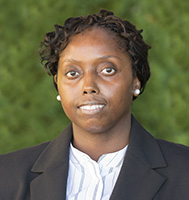
Dr. Claudette Onyelobi is an assistant professor in the Division of Neonatology and Newborn Nursery at the University of Wisconsin. After earning her undergraduate degree from Johns Hopkins University and her medical degree from Ross University School of Medicine, she completed her pediatric residency at Mount Sinai Kravis Children’s Hospital in Chicago and a fellowship in neonatology at UW–Madison. She has been recognized as a Centennial Scholar and was honored as the 2022 Iams-Tuffli lecturer for her dedication to improving care and outcomes for the tiniest and most vulnerable patients.
Dr. Onyelobi cares for babies born extremely early, often at just 22 to 25 weeks of pregnancy. She leads a specialized “tiny baby” team that supports families through the difficult decisions and challenges of neonatal intensive care, while also mentoring and educating other providers. Her research explores how early brain injuries affect long-term development in preterm infants and looks for new strategies to protect and support healthy outcomes. Through her work, Dr. Onyelobi combines compassionate care with research and advocacy to give premature babies and their families the best possible start.
Session Overview: The rate of survival among extremely preterm infants born as early as 22 weeks’ gestation continues to increase each year in the United States. One leading center of excellence in the care of these infants, or ‘tiny babies,’ reports survival rates through discharge from the neonatal intensive care unit (NICU) as high as 50% at 21 weeks’ gestation. Though survival rates among tiny babies have increased, there remains a high likelihood of early neonatal and infant death among these infants. This is both traumatizing and heartbreaking for families as well as the staff and providers caring for them. Additionally, tiny babies who survive are at high risk for ongoing disability and long-term problems that can range anywhere from autism to cerebral palsy. The goal of this talk will be to explore the approach to care of extremely preterm infants born as early as 22 weeks’ gestation, and how NICU practices have changed to accommodate this growing population of tiny babies. Learners should expect to take away a more refined understanding of the complexities surrounding extremely preterm birth at the edge of viability.
Fetal Infant Mortality Review and Child Death Review in Action: Using Data to Drive Community and Health Department Collaboration
Room: Sandstone Ballroom
1:45-2:45 p.m.
Fetal Infant Mortality Review (FIMR) teams are made up of professionals from many fields who work together to understand the factors that contribute to fetal and infant deaths in their communities. By carefully reviewing these cases, teams can identify patterns, address systemic issues, and create collaborative strategies that prevent future losses. This work is especially focused on reducing racial and ethnic disparities in birth outcomes and improving the overall health and well-being of mothers and families.
This panel will feature leaders from across Wisconsin who are deeply engaged in this work, including:
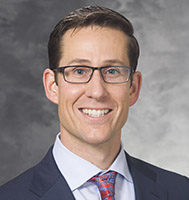
Moderator: Ryan McAdams, MD – professor, Division of Neonatology &Newborn Nursery, Division of Global Pediatrics, Department of Pediatrics, University of Wisconsin School of Medicine and Public Health |
 Panelist: Abbigail Brown – Public Health Nurse, Rock County Public Health Panelist: Abbigail Brown – Public Health Nurse, Rock County Public Health |
 Panelist: Kristi Ferrara, RN, BSN – Public Health Nurse, Rock County Public Health Panelist: Kristi Ferrara, RN, BSN – Public Health Nurse, Rock County Public Health |
 Panelist: Sarah Dobbins, DNP, RN – Public Health Supervisor, Public Health Madison and Dane County Panelist: Sarah Dobbins, DNP, RN – Public Health Supervisor, Public Health Madison and Dane County |
 Panelist: Cateryn Morateck, MPH – Epidemiologist, Injury Prevention and Death Review, Wisconsin’s voice for Children’s Health Panelist: Cateryn Morateck, MPH – Epidemiologist, Injury Prevention and Death Review, Wisconsin’s voice for Children’s Health |
Panelist: Joanna O’Donnell, GC-C – Program Manager, Injury Prevention and Child Death Review, Children’s Health Alliance of Wisconsin Joanna O’Donnell, GC-C – Program Manager, Injury Prevention and Child Death Review, Children’s Health Alliance of Wisconsin |
 Panelist: Melissa Seidl – Public Health Strategist, City of Milwaukee Health Department Panelist: Melissa Seidl – Public Health Strategist, City of Milwaukee Health Department |
April 14, 2026
It All Starts by Listening: Community Identified Suggestions for Building Trust in Healthcare
Room: Sandstone Ballroom
9:15-10:15 a.m.
 Dr. Jasmine Zapata is an assistant professor in the Division of Neonatology and Newborn Nursery at the University of Wisconsin. She earned her bachelor’s degree from Marquette University before completing medical school, a pediatrics residency, and a master’s in public health at the University of Wisconsin School of Medicine and Public Health. She also trained in preventive medicine and public health, giving her a broad perspective on both individual patient care and population health.
In addition to her academic role, Dr. Zapata serves as the Chief Medical Officer and State Epidemiologist for Community Health at the Wisconsin Department of Health Services. She co-chairs the Wisconsin Maternal Mortality Review Team and has played a key leadership role in the Governor’s Health Equity Council. Known for her energy, passion, and commitment to service, she works tirelessly to advance health equity, increase diversity in medicine, and strengthen communities across Wisconsin. Her clinical work focuses on newborn care, and her research addresses racial disparities in maternal mortality and birth outcomes.
Session Overview:In this session, Dr. Zapata will share her personal and professional journey toward improving birth outcomes in Wisconsin. She will share her research in this area as well as highlight community identified solutions to rebuild trust between birthing people from groups most impacted by Wisconsin’s adverse birth outcomes and the healthcare system.
The Importance of Fathers’ Mental Health in Perinatal Families
Room: Sandstone Ballroom
1:45-2:45 p.m.
 Dr. Sheehan Fisher is Associate Dean for the Office of Graduate and Postdoctoral Success and an associate professor of psychiatry and behavioral sciences at Northwestern University Feinberg School of Medicine. A perinatal clinical psychologist, his research focuses on both fathers’ and mothers’ mental health during the perinatal period and how it impacts parenting, family dynamics, and child outcomes. He is a leader in the emerging field of paternal mental health and serves as clinical director of the Fathers’ Mental Health Specialty Clinic.
Beyond research and clinical practice, Dr. Fisher is active in public policy and advocacy to better support diverse family needs. He serves on the boards of the International Marcé Society for Perinatal Mental Health and Marcé of North America, and he regularly contributes thought leadership on perinatal mental health in national forums. Recognized with the 2021 Marcé of North America Early Career Award and named a 2022 Crain’s Chicago Business Notable Black Leader, Dr. Fisher is dedicated to advancing mental health equity for families and communities.
Session Overview: Fathers’ perinatal mental health and parental experiences are beginning to be recognized as an important part of perinatal family health. Fathers’ perinatal mood and anxiety can have deleterious effects on both mothers’ mental health and infant development. In addition, the quality of father involvement with the child can have important implications for the child’s health. Cultural assumptions of the importance and value of fathers influence research, clinical practice, and policies and these assumptions must be updated by current research to best improve family health.
Session Learning Objectives:
- Describe the socioenvironmental factors that cause stress and make fathers vulnerable to perinatal mood and anxiety disorders
- Discuss the unique expression of perinatal depression in fathers, including masculine depression
- Describe the impact of paternal perinatal mental health on the individual, interparental relationship, and parent-child relationship
- Summarize approaches to improve engagement of fathers in perinatal healthcare settings
- Utilize fathers as assets to support maternal perinatal mental health