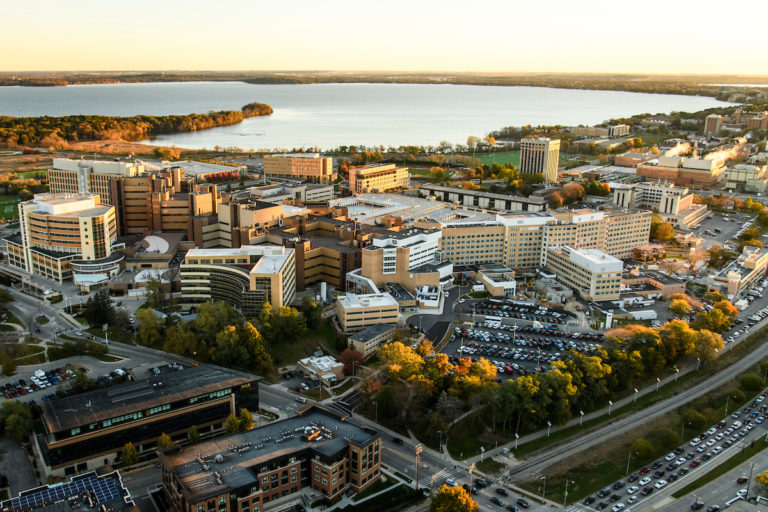
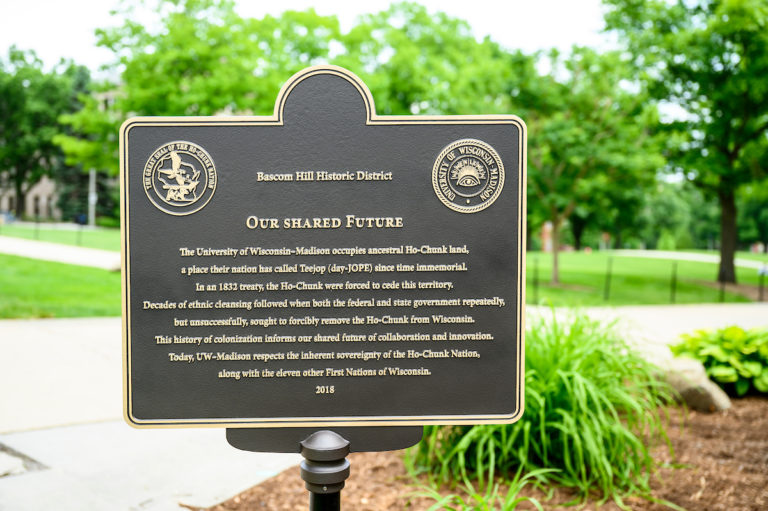
The faculty and staff of the Department of Pediatrics recognize the land our buildings and campus occupy ancestral Ho-Chunk land, a place their nation has called Teejop (day-JOPE) since time immemorial.
In an 1832 treaty, the Ho-Chunk were forced to cede this territory. Decades of ethnic cleansing followed when both the federal and state government repeatedly, but unsuccessfully, sought to forcibly remove the Ho-Chunk from Wisconsin.
We acknowledge the circumstances that led to the forced removal of the Ho-Chunk people and honor their legacy of resistance and resilience. This history of colonization informs our work and vision for a collaborative future.
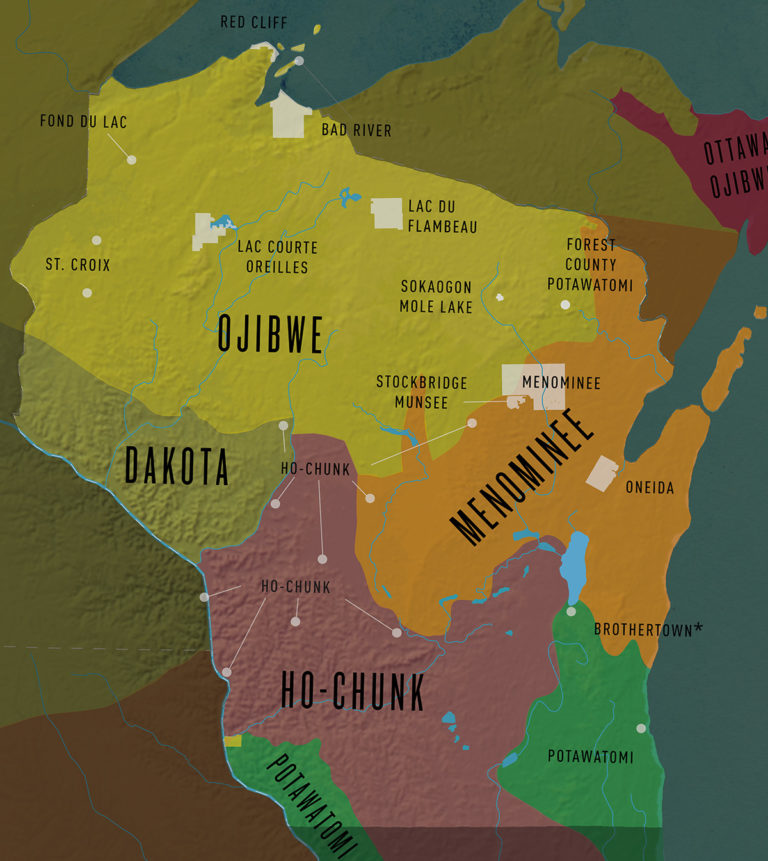
We recognize and respect the inherent sovereignty of the Ho-Chunk Nation and the other 11 First Nations within the boundaries of the state of Wisconsin.
Together as an academic health system, we recognize this place and, more importantly, move beyond acknowledgment and pledge to continue learning more and taking action.
We encourage you to visit the websites of the 12 First Nations that reside in the boundaries of the state of Wisconsin for more information:
Bad River Band of Lake Superior Chippewa
Forest County Potawatomi Community
Lac Courte Oreilles Band of Lake Superior Chippewa Indians
Lac du Flambeau Band of Lake Superior Chippewa Indians
Menominee Indian Tribe of Wisconsin
Oneida Tribe of Indians of Wisconsin
Red Cliff Band of Lake Superior Chippewa Indians
Sokaogon Chippewa Community
For more information, visit the UW–Madison Our Shared Future website and the interactive Tribal Lands Map on the Wisconsin First Nations website.